Saturday, November 25, 2023

Filmmaker Makes Millions After Risky Dogecoin Bet Pays Off — Faces Netflix Lawsuit

A U.S. filmmaker reportedly made a profit of more than $20 million from a bet on the cryptocurrency dogecoin. Netflix accuses the filmmaker of using funds meant for the production of a TV series to place risky bets on a biotech company, the S&P 500, and dogecoin.

Rinsch Lost $5.9 Million in a Matter of Weeks

Carl Erik Rinsch, a U.S. filmmaker who reportedly earned a profit of more than $20 million from a dogecoin bet, is being sued by Netflix for allegedly breaching the terms of a contract. The lawsuit accuses Rinsch of misappropriating millions of dollars that were intended to fund the production of a science-fiction television series.

Before betting on the meme coin, Rinsch is also accused of using the production funds — approximately $11 million — to place risky bets on Gilead Sciences’ stock. At the time, the biotech firm had begun testing a Covid-19 vaccine and Rinsch reportedly wagered that Gilead Sciences’ stock would soar if the drug proved to be effective in suppressing the virus. The filmmaker is also said to have wagered that the S&P 500 index, which had declined by 30% at that point, would continue to fall.

However, neither bet panned out and Rinsch lost $5.9 million in a matter of weeks. According to a New York Times report, in the months that followed Rinsch began to behave “more erratically.” Netflix executives only became aware of the extent of Rinsch’s mental health problems after his wife came forward. This ultimately led to Netflix’s March 18, 2021, decision to stop funding the series.

‘God Bless Crypto’

Despite this decision and the subsequent exchanges between himself and Netflix as well as its lawyer, Rinsch still proceeded to use the remaining $4 million to buy dogecoin. By the time he liquidated his dogecoin position in May 2021, Rinsch’s account with the cryptocurrency exchange Kraken had a balance of more than $27 million. Pleased with the outcome, the filmmaker reportedly said, “Thank you and God bless crypto.”

Afterwards, Rinsch went on a shopping spree in which he bought five Rolls Royce luxury cars, a Ferrari, and a Vacheron Constantin watch worth $387,630 among other items. Overall, Rinsch is believed to have spent as much as $8.7 million.

Meanwhile, according to the New York Times report, Rinsch, who suffers from autism and attention deficit hyperactivity disorder (ADHD), insists it is Netflix which breached the terms of the contract. For the breach, the filmmaker reportedly wants the streaming service provider to pay him $14 million in damages.

An arbitrator has already heard both parties’ arguments and is now expected to give a ruling, the report added.

What are your thoughts on this story? Let us know what you think in the comments section below.


via Terence Zimwara

Friday, November 24, 2023

Do Kwon Faces Extradition Dilemma: Montenegro’s Justice Minister to Decide Between US and South Korea

Do Kwon Faces Extradition Dilemma: Montenegro's Justice Minister to Decide Between US and South Korea

In a decision by the Podgorica High Court, ex-Terraform Labs chief executive Do Hyeong Kwon (Do Kwon) is set to be extradited following his four-month incarceration in Montenegro for fabricating travel papers. The extradition bids originate from both the United States and South Korea, with the final determination of Kwon’s destination resting in the hands of the court’s Justice Minister.

Judge Will Decide on Do Kwon’s Extradition

The notorious Do Kwon is poised for extradition upon completing his sentence in Montenegro, though his ultimate destination remains uncertain. A recent press release reveals that South Korea seeks Kwon for engaging in fraudulent and unfair trading activities. Additionally, the U.S. also desires his extradition for similar infractions, including securities fraud and market manipulation.

According to the press release, Kwon agreed to be extradited to South Korea. However, the court noted that due to multiple extradition requests, the Podgorica High Court must make the final determination. “The final decision on the matter will be made by the Minister of Justice of Montenegro,” the announcement specifies.

The announcement from the Podgorica High Court further clarifies, “If the Minister of Justice allows the final extradition of the aforementioned accused, the extradition will be executed after the completion of the criminal sentence imposed by the Basic Court in Podgorica in a case against the same individual for the criminal offense of document forgery.”

What do you think about Do Kwon being extradited? What nation state do you think he will be sent to? Share your thoughts and opinions about this subject in the comments section below.


via Jamie Redman

US State Regulator Shares Most Common Crypto Complaints

US State Regulator Shares Most Common Crypto Complaints

The California Department of Financial Protection and Innovation has outlined the most frequently reported complaints related to cryptocurrency. Emphasizing “a rising trend in crypto-related complaints,” the regulator advised: “Be careful what you post and make public online. Scammers can use details shared on social media and dating sites to better understand and target you.”

Top Crypto Complaints

The California Department of Financial Protection and Innovation (DFPI) has revealed some of “the most common crypto-related complaints” received by its Consumer Services Office (CSO). The regulator stated:

A third-quarter 2023 CSO report indicated a rising trend in crypto-related complaints.

A common scenario involves consumers being tricked into transferring their crypto assets from legitimate crypto exchanges to fraudulent platforms or wallets. According to the complaints, consumers believe the legitimate platforms should have done more to prevent fraudulent activity from occurring. Another prevalent issue arises when consumers mistakenly transfer their cryptocurrencies to unidentified wallets, losing access to their funds.

Consumers also raise concerns about being persuaded to send U.S. dollars to scammers’ platforms, wallets, or banks for supposed crypto investments, only to discover they have been defrauded. “When the consumer identifies being scammed, she files a complaint against their bank stating the bank should have done more to prevent fraudulent activity,” the California regulator noted. Additionally, the DFPI receives complaints from consumers who have invested in seemingly profitable cryptocurrency investment opportunities, but upon attempting to withdraw their funds, they find themselves unable to do so and the scammers vanish.

Some complaints stem from genuine concerns regarding transactions or account activities on legitimate exchange sites. The regulator stressed:

This is not a scam, but consumers have the right to submit a complaint against a legitimate crypto platform.

Occasionally, consumers file complaints against DFPI-licensed Investment Advisors regarding crypto asset-related investment advice. The DFPI stressed: “Again, this may not be a scam, but consumers have the right to submit a complaint against a DFPI-licensed investment advisor.”

Moreover, consumers may be approached by scammers through text messages or emails. They pretend to know the victims and convince them to transfer their cryptocurrencies to scam sites. Consumers may also be approached by scammers on social media, particularly through “sweetheart scams” where the scammers feign romantic interest to manipulate the victims into sending them cryptocurrency.

The DFPI warned: “Be careful what you post and make public online. Scammers can use details shared on social media and dating sites to better understand and target you.” The regulator concluded:

Be especially cautious about online crypto-related investment offers. If it seems too good to be true, it probably is. Go slowly, ask questions, and do your own research.

Have you ever come across these crypto issues yourself? Let us know in the comments section below.


via Kevin Helms

RoyalCDKeys: How to Buy Crypto Anonymously

What’s the main reason behind cryptocurrencies’ success? One word – decentralization. Bitcoin offers what global banks can’t. Every major bank you know or are a client of is centralized and, thus, controlled by a central authority. This means you can freely own and control your funds, but your bank account is reliant on banking intermediaries.

With Bitcoin, this isn’t the case. Without intermediaries and by utilizing blockchain technology, transaction fees are reduced significantly, and you can transfer your funds without geographic restrictions. However, it doesn’t mean you can buy Bitcoin anonymously without effort. You still have to provide personal details due to financial regulations, even in the crypto world. Not to mention the fact you can connect a person’s identity with their Bitcoin address. Does it mean there’s no way of buying Bitcoin anonymously? Let’s find out!

What are KYC and AML?

Answering the above question: Yes, there is a way to buy Bitcoin without an ID. Even several ways! Anonymous Bitcoin transactions are possible, but you must understand how the KYC (Know Your Customer) and AML (Anti-Money Laundering) processes work. If you’ve ever used a major crypto exchange platform (Binance, Coinbase Exchange), you’ve had to go through the identity verification process.

KYC (Know Your Customer) and AML (Anti-Money Laundering) are essential compliance measures in the world of cryptocurrency. KYC refers to the process of verifying the identity of users or customers on cryptocurrency platforms, ensuring that they are who they claim to be. This typically involves providing personal identification documents and information, such as government-issued IDs and proof of address, to prevent fraud, money laundering, and other illicit activities. Therefore, we call Bitcoin addresses pseudonymous as they can be traced through KYC.

AML, on the other hand, is a set of regulations and practices designed to prevent the use of cryptocurrencies for money laundering and other financial crimes. Cryptocurrency exchanges and businesses are required to establish robust AML programs to monitor and report suspicious transactions, ensuring that cryptocurrencies are not used to facilitate illegal activities. Both KYC and AML measures are important for promoting transparency and security within the crypto space while also aligning with regulatory requirements in various jurisdictions.

Use of KYC and AML on Exchange Platforms

For example, Binance requires identity verification to unlock full access to its features, including withdrawing your funds. Such information is encrypted and stored in the platform’s online database. The main purpose of incorporating such safety measures into the Bitcoin network is to prevent financial crimes, as it’s one of the best ways for money laundering if it’s decentralized.

“I’m not a criminal, so I don’t mind sharing my ID if it proves the credibility and safety of my Bitcoin wallet.” It’s true to some extent, but there are some drawbacks, unfortunately. And you don’t have to participate in some shady business to experience the flaws of this solution. On the other hand, there are also some pros that can’t be overlooked. Sounds complicated?

Anonymous Bitcoin Buying – Pros and Cons

The table below shows the pros and cons of buying crypto such as Bitcoin without verification.

Pros:

Privacy: Your personal details and transaction history remain unconnected to your identity.
Security: Transactions lack personal information, reducing the risk of identity theft.
Accessibility: People in regions with limited access to conventional exchanges can make anonymous Bitcoin purchases.
Diversification: You can broaden your investments without the necessity of associating your identity with any particular exchange or wallet.
More control over funds: Anonymous Bitcoin acquisitions can grant you greater control over your funds since personal information isn’t tied to the transaction.

Cons:

Lack of regulation: An absence of oversight in anonymous transactions makes safeguarding against scams and fraudulent activities challenging.
Complexity: Purchasing Bitcoin anonymously isn’t user-friendly, especially for individuals lacking technical expertise.
Higher fees: Anonymous transactions often involve greater fees in comparison to regular exchanges due to the added complexity of the process.
Difficulty resolving complaints: The absence of a clear transaction record may complicate dispute resolution, obtaining support, or recovering lost funds in case of issues.
Liquidity issues: Identifying buyers or sellers for anonymous transactions might prove more problematic, potentially resulting in liquidity issues.

You need to decide for yourself if you can live with the above-mentioned cons.

Best Methods to Buy Bitcoin Anonymously

Here are the five best methods to keep your identity for yourself while buying Bitcoins or other cryptocurrencies.

Bitcoin Automated Teller Machines (ATMs)
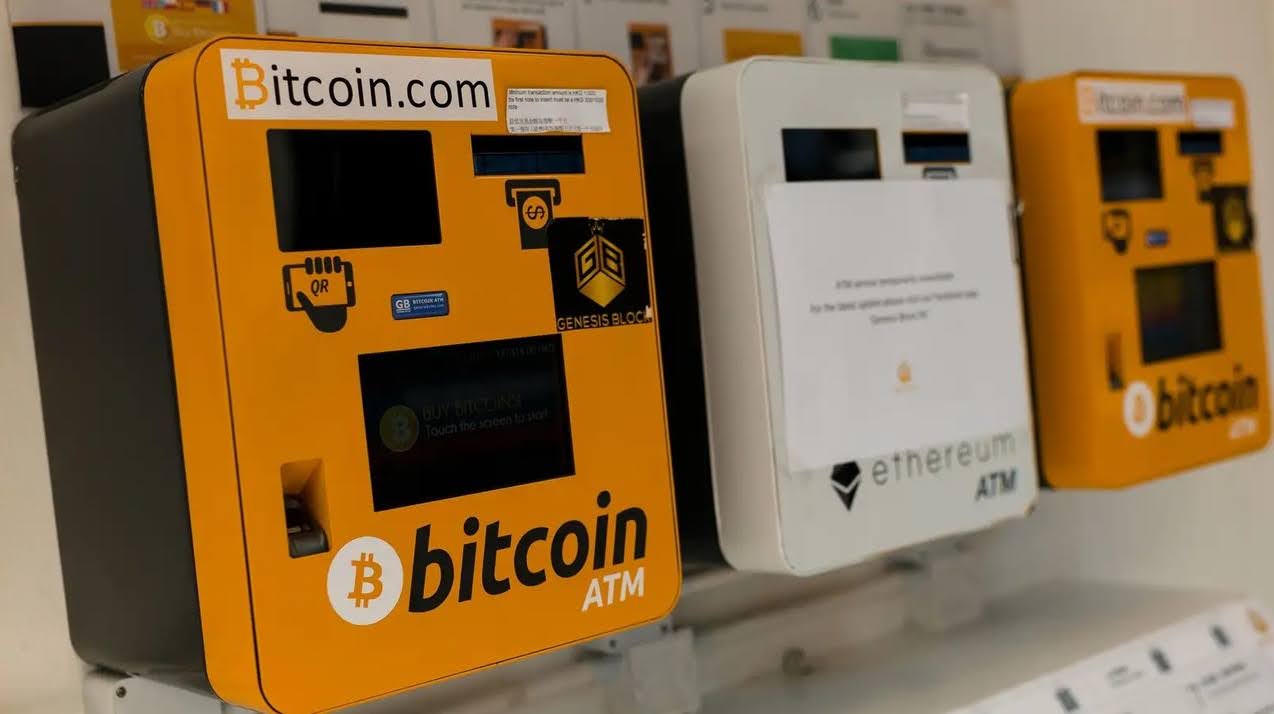
Despite sharing similar names, Bitcoin ATM isn’t the same as traditional ATM. Instead of withdrawing funds, with Bitcoin ATMs, you can buy Bitcoin or other cryptocurrencies by exchanging cash. It’s one of the easiest and most obvious ways to buy Bitcoin without ID verification.

The biggest advantage of using one is that the transaction is done through an anonymous exchange. However, this only applies to smaller transactions determined by a specific ATM. Most ATMs only require your phone number for transactions below $999. And it doesn’t have to be a number you use daily, a prepaid card will do just fine.

ATM uses the phone number to send you a confirmation code to complete a transaction. If you want to exceed that limit, however, you’ll have to produce a photo ID and share some personal information. In short, if you want to keep your Bitcoin anonymous, stick to transactions below the determined threshold.

Crypto Gift Cards
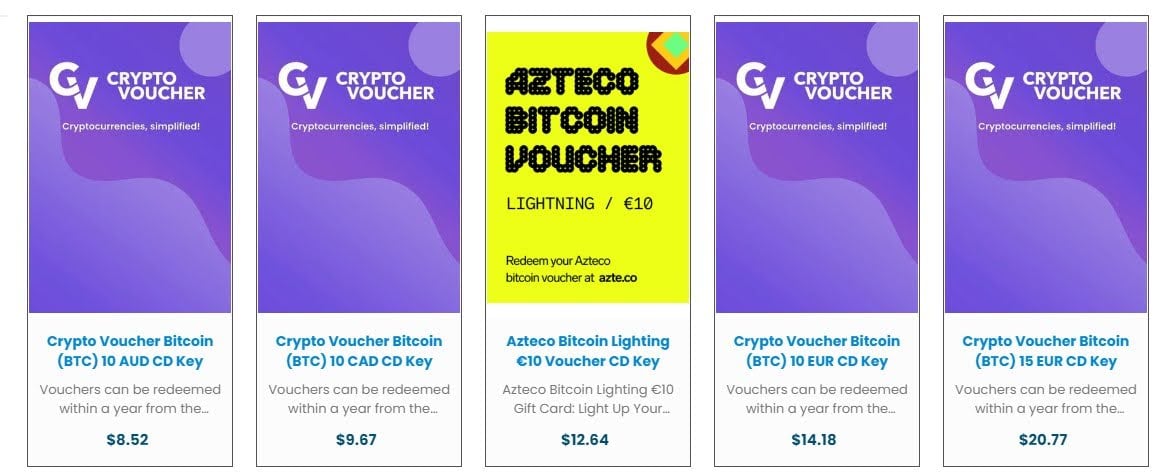
Gift cards are one of the best methods when it comes to anonymous Bitcoin trading. Let’s say you’ve bought a $50 Steam gift card. It entitles you to buy any game from Steam within the $50 price range. The same goes for crypto. When you buy a $10 Crypto Voucher, you are entitled to exchange that amount for the corresponding value in BTC.

One of the websites that sell such vouchers is RoyalCDKeys.

The biggest advantage of getting digital currency at RoyalCDKeys is that they sell many other products apart from vouchers (software and game keys). Therefore, transactions with them are not flagged by the bank as scammers/crypto-related, which is a common issue for Bitcoin buyers when using crypto exchange sites.

Contrary to other platforms, the RoyalCDKeys store offers various payment methods, including unlimited credit or debit card payments without KYC.
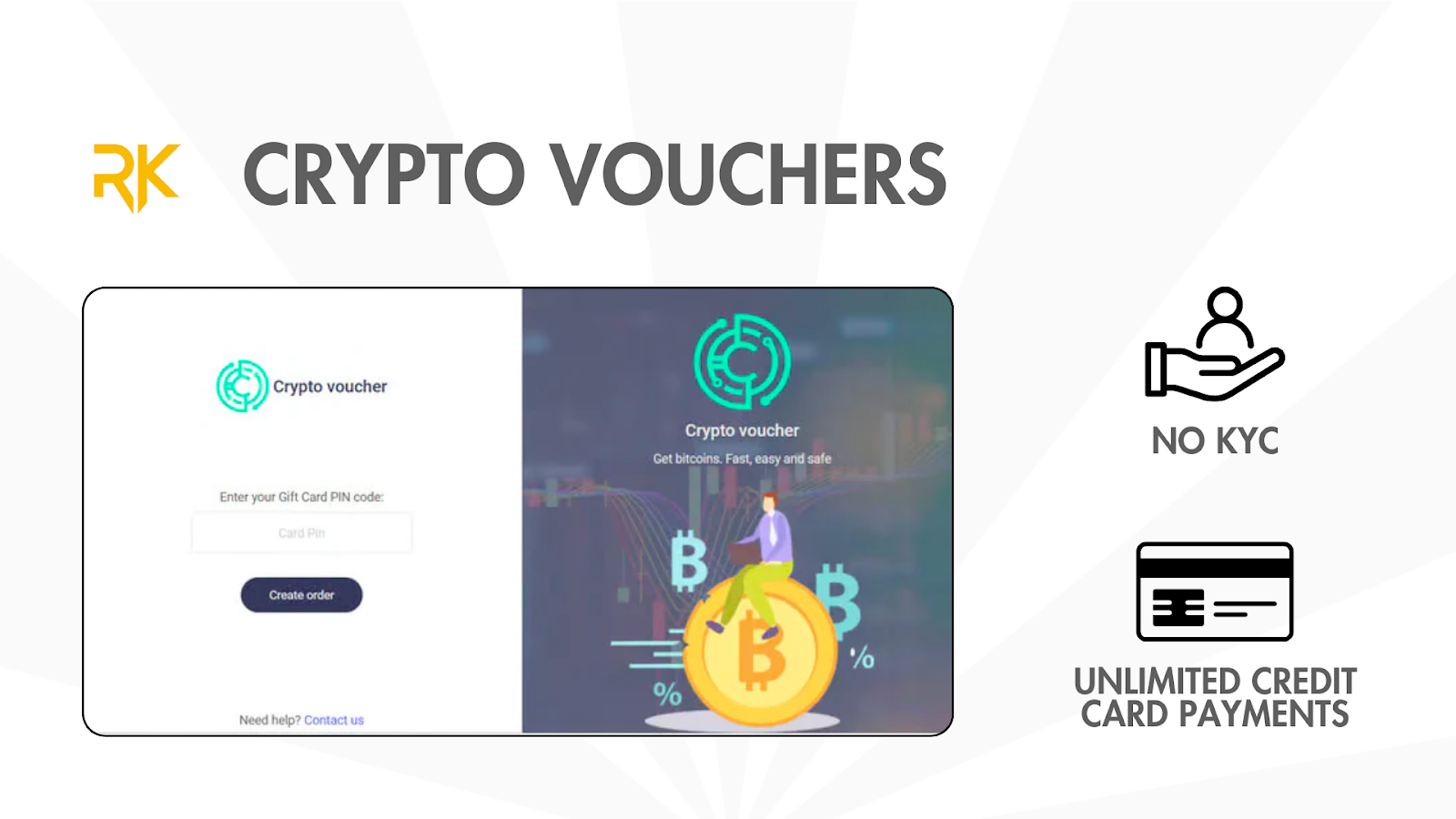
They combine the ease of purchase with anonymity because they don’t verify it, so the voucher can be forwarded or exchanged – the payment is not linked to the Bitcoin account. Such pros are worth considering when looking for a specific website that sells crypto vouchers.

Especially for news.bitcoin.com readers, with the discount code “crypto15, you will receive a 15% discount on every product key on the site, not just coupons.

How does it work, exactly? The process is really simple:

  • Go to the Redeem page.
  • Enter the purchased code.
  • The corresponding value in BTC from the gift card will be added to your account.
  • After that, you can transfer the added amount to the crypto wallet of your choice.

The value of your voucher can rise over time. If you have a crypto voucher worth $200, it’s like having that money in your pocket. Vouchers can be redeemed within a year from the purchase date. You can play the waiting game and redeem it when the Bitcoin exchange rate goes down.

Prepaid Credit Card
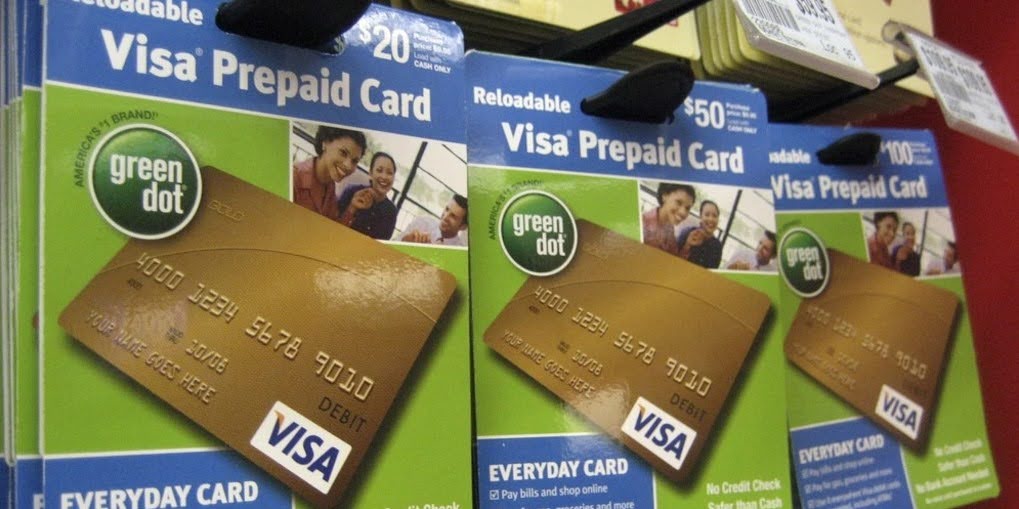
Buying Bitcoin with a prepaid credit card is a convenient and accessible way for many individuals to enter the world of cryptocurrency. Prepaid credit cards allow users to load a specific amount of money onto the card, which can then be used to purchase Bitcoin on various cryptocurrency exchanges or platforms.

This method offers a degree of financial privacy and security, as users can avoid sharing sensitive personal information. However, it’s essential to be aware of potential fees associated with using prepaid cards, such as activation fees or foreign transaction fees, and to ensure that the chosen exchange or service provider accepts this payment method. Additionally, one should conduct thorough research to find a reputable and secure platform to carry out the Bitcoin transaction and follow proper security practices to safeguard their digital assets.

Decentralized Bitcoin Exchanges (DEXs)
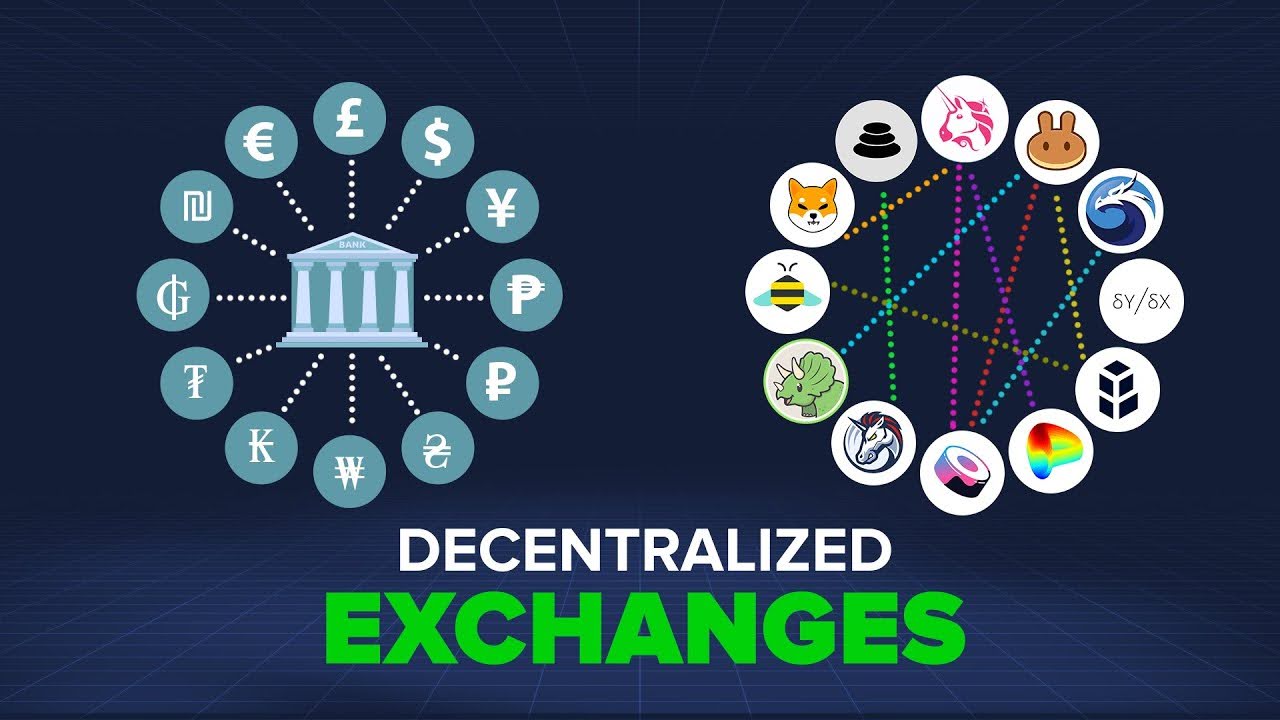
Here’s a list of websites where you can buy and sell Bitcoin without identity verification. These peer-to-peer exchanges were made to trade Bitcoin without a centralized authority, meaning you can usually buy cryptocurrency anonymously within a certain value.

  • Zengo
  • BitQuick
  • HodlHodl
  • Bisq
  • Changelly
  • ChangeNow
  • LocalCoinSwap

Cash by Mail

Some of the abovementioned Bitcoin exchanges offer services (such as BitQuick) to purchase Bitcoin by sending physical currency to the seller through the mail. With a 2% fee, the platform serves as a middleman, providing the Bitcoin to the purchaser after the cash has been received and confirmed.

Conclusion

Anonymous trading is getting more prominent as we advance in time. Maintaining financial confidentiality and safeguarding privacy need to coexist to be effective. Users have plenty of options to choose from – ATMs, vouchers, crypto exchanges – each with their own pros and cons.

The methods described above balance anonymity with security, so regardless of how you want to sell Bitcoin anonymously, these are your best picks.

For readers interested in exploring crypto vouchers, the partner mentioned in this article, RoyalCDKeys, has a special offer available. By using the discount code ‘crypto15’, you can enjoy a 15% discount on every product key at RoyalCDKeys, extending beyond just the crypto gift cards.


This is a sponsored post. Learn how to reach our audience here. Read disclaimer below.


via Media

How Analysts Think Binance’s $4.3B Settlement Will Help Crypto Grow

How Analysts Think Binance $4.3bn Settlement Will Help Crypto Grow

While the recent settlement between Binance, its former CEO Changpeng Zhao, and the U.S. Department of Justice (DOJ) has shocked the entire crypto industry due to the supposed money laundering and terrorism-related financial implications it has, many analysts and execs believe this is ultimately a good outcome, considering that it will cause the crypto space to grow absent uncertainties related to one of its largest actors.

Analysts Argue Binance Settlement Signals Growth in the Industry

The landmark settlement between Binance, one of the largest cryptocurrency exchanges in the world, its former CEO Changpeng “CZ” Zhao, and the U.S. Department of Justice (DOJ) on the charges of money laundering and terrorism financing might bring a new era to the cryptocurrency industry, according to analysts and crypto executives.

Brian Armstrong, CEO of Coinbase, stressed that this action might open new roads for the industry, which will have to be built with compliance in focus. Armstrong stated:

Today’s news reinforces that doing it the hard way was the right decision. We now have an opportunity to start a new chapter for this industry. We took a lot of arrows operating here in the U.S. due to the lack of regulatory clarity, and my hope is that today’s news serves as a catalyst to finally achieve that.

Coinbase is also facing legal actions from the U.S. Securities and Exchange Commission (SEC), which alleges the exchange operates as an unregistered securities broker, evading U.S. regulations for years.

More Reactions

Analysts at JPMorgan, led by Managing Director Nikolaos Panigirtzoglou, also believe the settlement is significant for the cryptocurrency environment, eliminating future uncertainties related to the largest crypto actor. In statements offered to The Block, JPMorgan analysts declared:

We see the prospect of settlement as positive as uncertainty around Binance itself would subside and its trading and BNB Smart Chain business would benefit.

Furthermore, the $4.3 billion deal helps to dispel the potential “systemic risk” of a hypothetical collapse of Binance, according to JPMorgan.

Other analysts believe that with Binance under the DOJ’s surveillance and being forced to exit the U.S. completely, the opportunity for finally greenlighting a spot Bitcoin ETF is upon the crypto market. Michael Rinko, research analyst at Delphi Digital, told CNBC:

If you’re actively investigating the company and the CEO who’s telling everyone the price of these assets, how are you then going to greenlight an ETF? Having this settlement behind us could be the final big, big step needed for this ETF.

What do you think about the state of the crypto industry after Binance’s plea deal? Tell us in the comments section below.


via Sergio Goschenko

Thursday, November 23, 2023

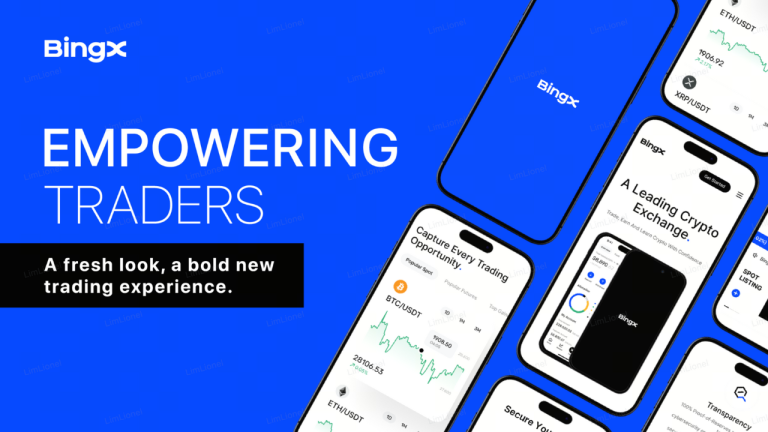
BingX Rebrands to Forge Better Crypto Traders

PRESS RELEASE. BingX, a global leading crypto exchange, proudly announces the launch of its transformative rebranding initiative, solidifying its position focusing on trader empowerment. The rebranding reflects BingX’s commitment to inspiring its users and keeping them ahead of the curve, ensuring secure, efficient, and effective trading experiences.

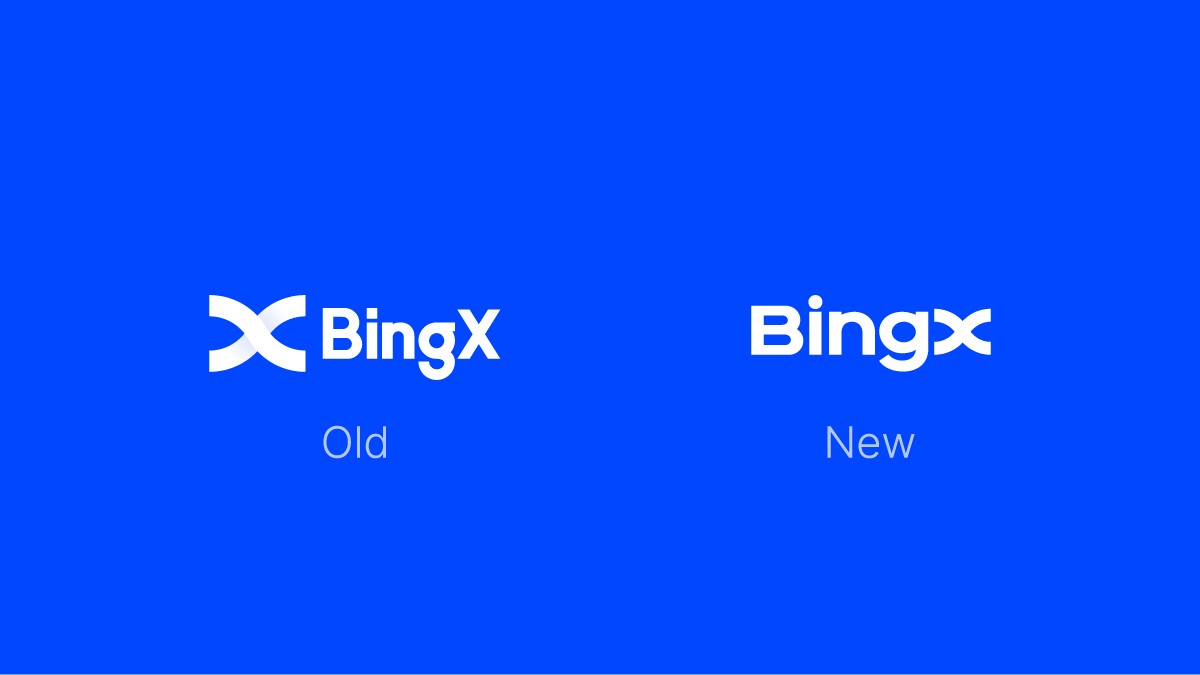
BingX has updated its visual identity to make the trading experience more intuitive and user-friendly. The revamped design simplifies its iconic logo by smoothing the outline and removing internal shading, focusing on a cleaner and more direct aesthetic that aligns with users’ trading goals. Over the next few months, BingX will undergo a comprehensive visual transformation, including updates to its color palette and typography across mobile and desktop platforms.

This rebranding is driven by BingX’s expansion of its target audience and services, adapting to the dynamic market and evolving needs of its users. Renowned for its focus on crypto adoption for beginners through copy trading, BingX now is broadening its reach to cater to crypto traders across the spectrum, introducing an array of state-of-the-art features to support a diverse user base. At the heart of this rebranding is BingX’s vision to empower traders with all-round innovation, including its established crypto trading functionalities and new tools.

As BingX’s new tagline, “Empowering Traders” is upgraded from previous “Trading Made Easy,” signifying its core mission to support crypto traders at every level to excel in their trading endeavors. Both taglines are deeply rooted in BingX’s consistent mission of providing trustworthy and transparent service for its users, and making crypto accessible and friendly to all. Positioned for the next phase, BingX remains dedicated to fostering user growth by providing customized products, services, and expertly crafted tools to enhance trading proficiency.

Megan Nyvold, Head of Branding at BingX, reflects on the company’s journey and the new brand direction: “Over the past five years, BingX’s vision to build a gateway for the next billion crypto users has been unwavering. As part of this evolution, we have refined our core values with a renewed emphasis on promoting diversity. As we introduce our refreshed brand identity, we reaffirm our assurance of empowering our users, focusing on a more professional and user-centric trading environment that aligns with our vision for collective success.”

As BingX continues to redefine the cryptocurrency exchange landscape, its steadfast focus on user empowerment, reliability, innovation, and wide accessibility fosters an inclusive ecosystem where everyone can confidently explore the potential value and benefits of cryptocurrency investment.

About BingX
Founded in 2018, BingX is a leading cryptocurrency exchange, serving over 5 million users worldwide. BingX offers diversified products and services, including spot, derivatives, copy trading, and asset management – all designed for the evolving needs of users, from beginners to professionals. BingX is committed to providing a trustworthy platform that empowers users with innovative tools and features to elevate their trading proficiency.


This is a press release. Readers should do their own due diligence before taking any actions related to the promoted company or any of its affiliates or services. Bitcoin.com is not responsible, directly or indirectly, for any damage or loss caused or alleged to be caused by or in connection with the use of or reliance on any content, goods or services mentioned in the press release.


via Media

Stitch Launches Payment Service Allowing Customers to Settle With Crypto in South Africa

Stitch Launches Payment Service Allowing Customers to Settle With Crypto in South Africa

A new product offering recently launched by Stitch, a South African payment service provider, now enables customers to settle transactions with crypto. According to Stitch, this new functionality makes it possible for customers to pay with bitcoin (BTC) or ether (ETH).

Local Businesses to Receive Payment in Local Currency

A South African payments service provider, Stitch, has reportedly launched a service which enables customers to settle transactions with crypto. Developed on top of the local crypto platform Valr’s application programming interface (API), this functionality makes it possible for customers to directly pay with bitcoin (BTC) or ether (ETH).

According to a statement released by Stitch on Nov. 21, the “pay with crypto” service makes it possible for customers “who wish to buy goods and services using crypto to do so directly, and the business will get settled in ZAR [South African rand].” For companies and merchants, using this service helps overcome concerns about the volatility of the two cryptocurrencies.

Commenting on the development, Blake Player, Valr’s head of growth, reportedly said:

“The Stitch integration expands the options Valr customers have to spend crypto balances in South Africa to the e-commerce market. We’re expecting high growth in the volume of crypto payments as it becomes more widely accepted.”

Meanwhile, the Stitch press release also identifies online marketplaces, e-commerce businesses, gaming and trading platforms as some of the businesses that stand to benefit from leveraging this new payment option. Similarly, local and international travel providers leveraging this service will be able to “appeal to a wider user base.”

For his part, Stitch President Junaid Dadan said the crypto payment option will accord clients “an opportunity to reach and serve this audience, without the need to take on direct volatility risk.”

Register your email here to get a weekly update on African news sent to your inbox:

What are your thoughts on this story? Let us know what you think in the comments section below.


via Terence Zimwara